
Season of Creation Prayer Service at OLPH Explores the Theme of "Living Water"
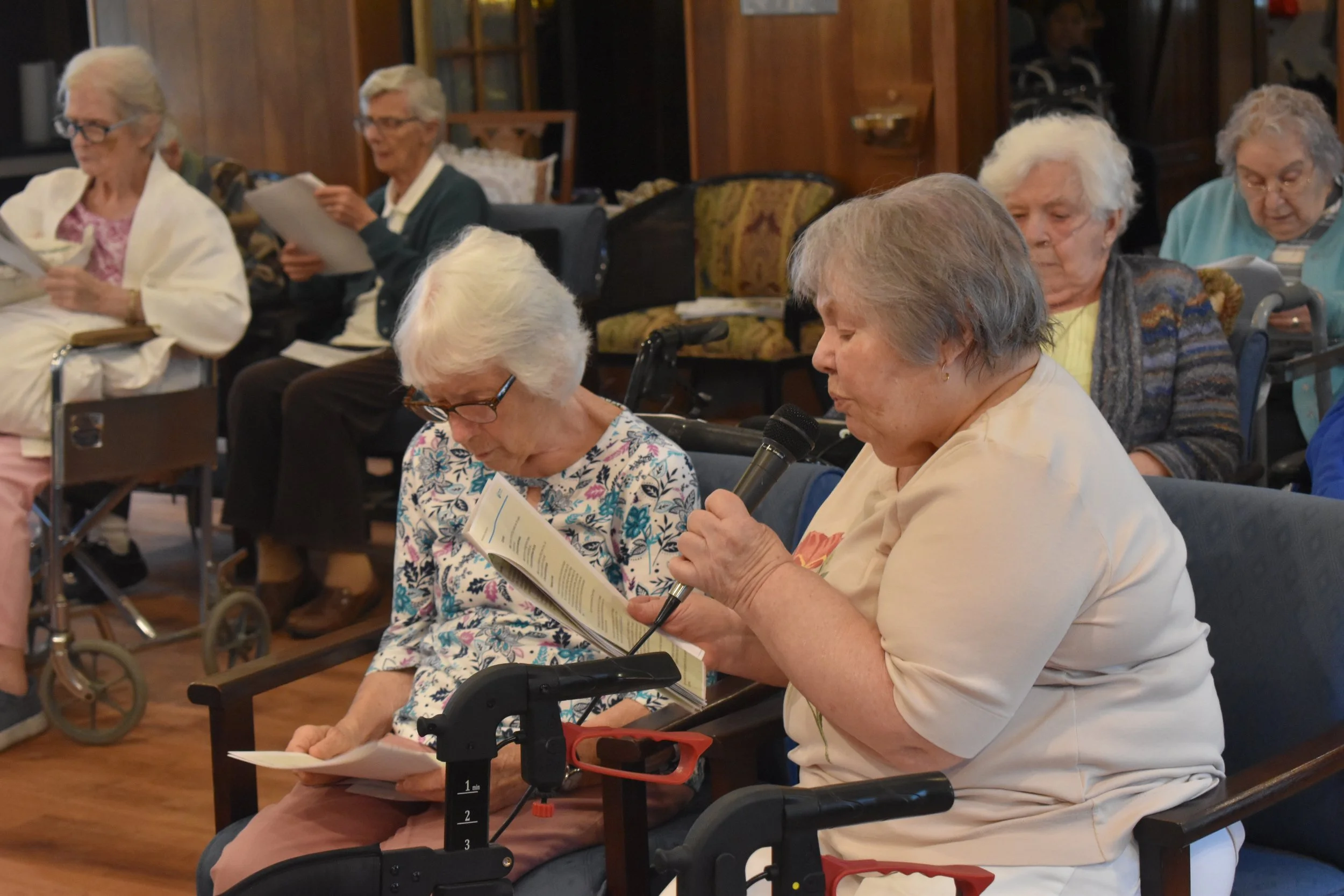
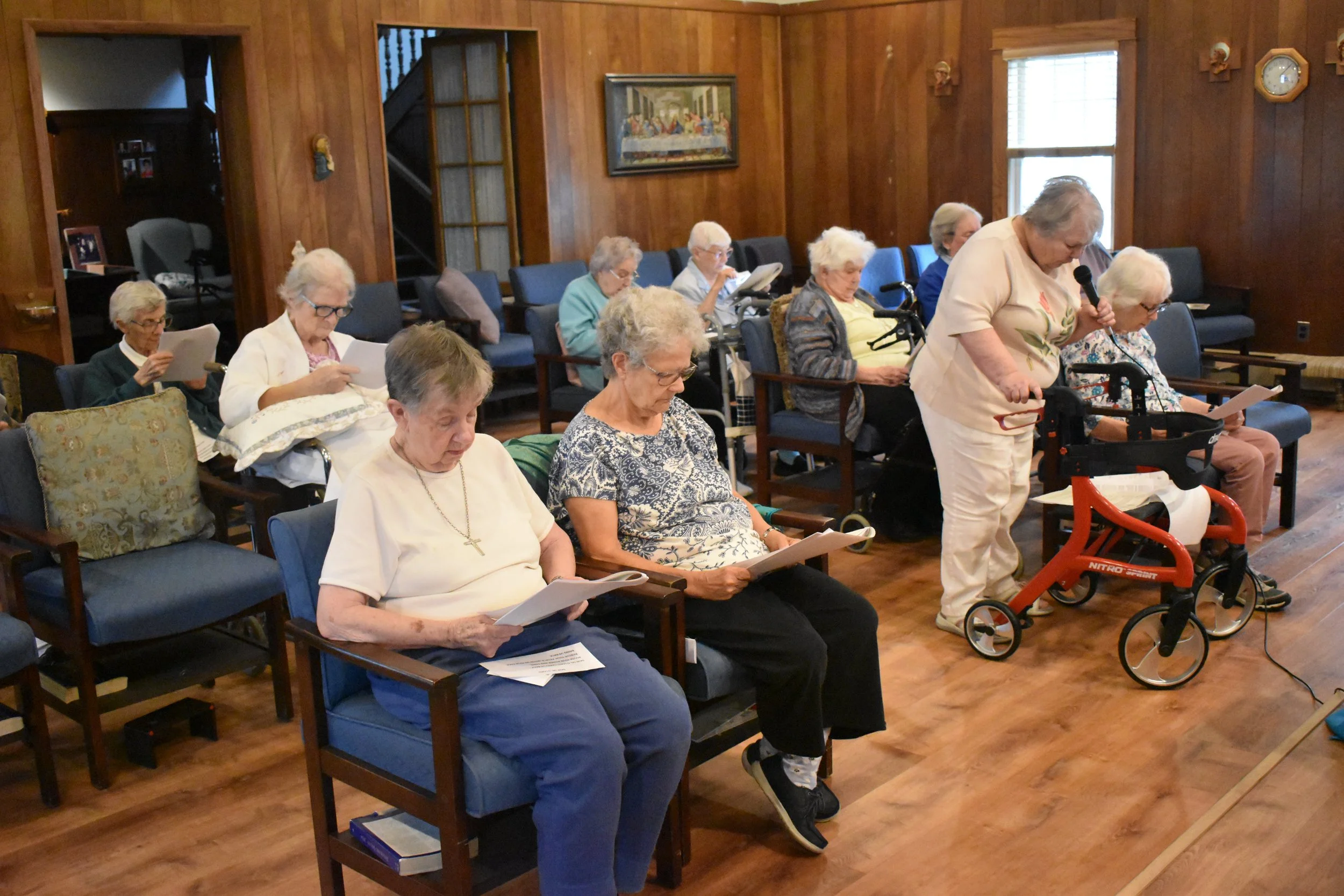
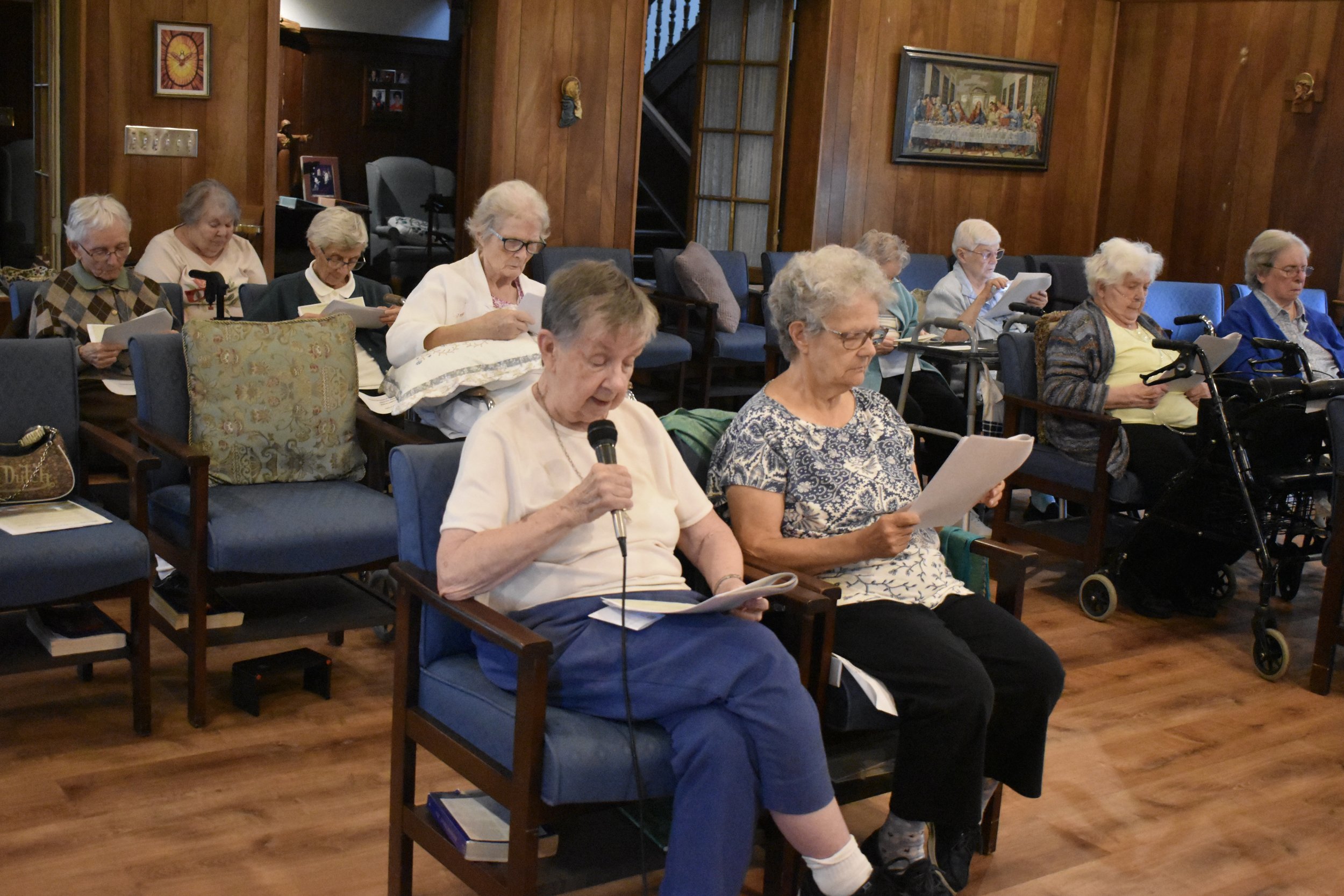
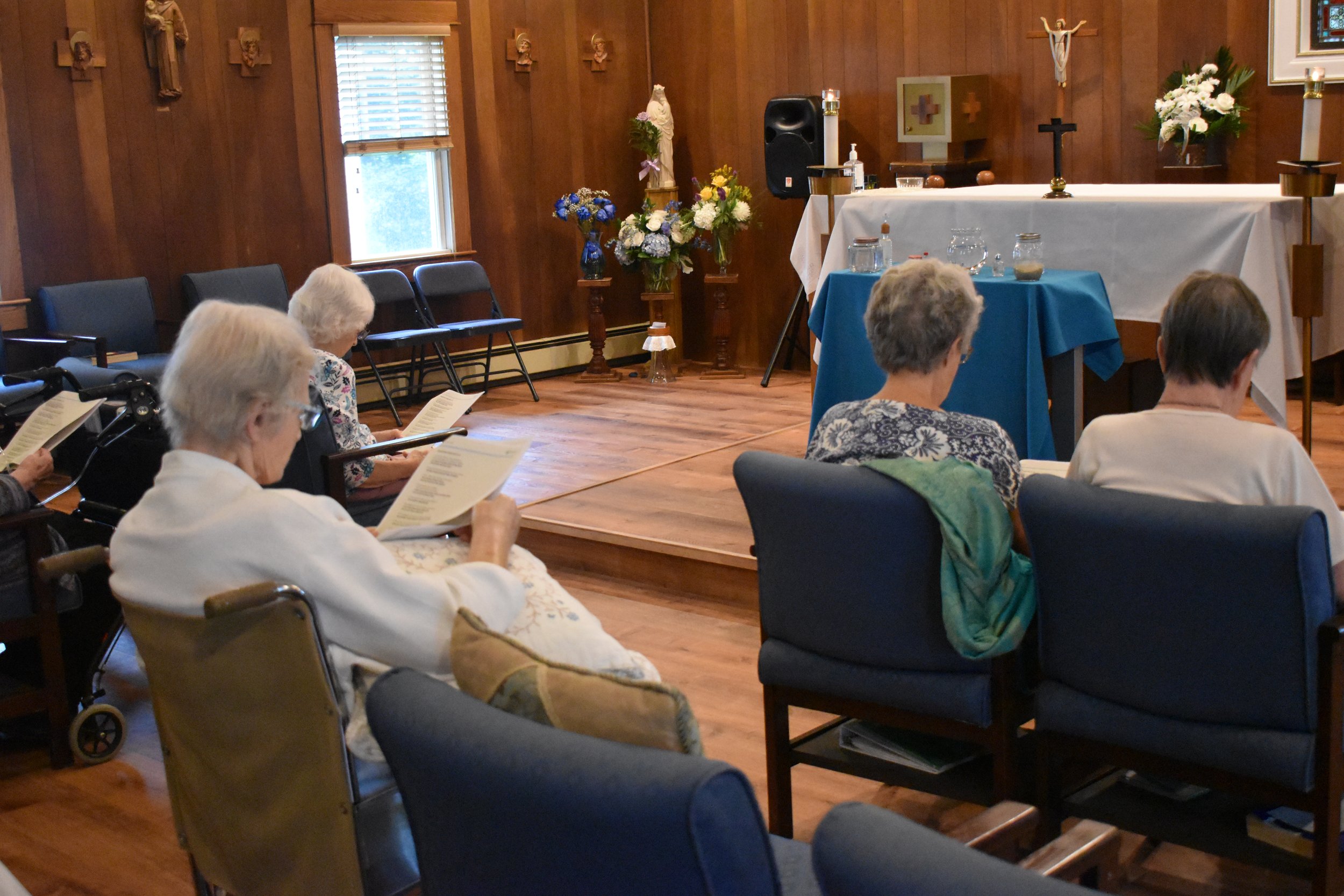
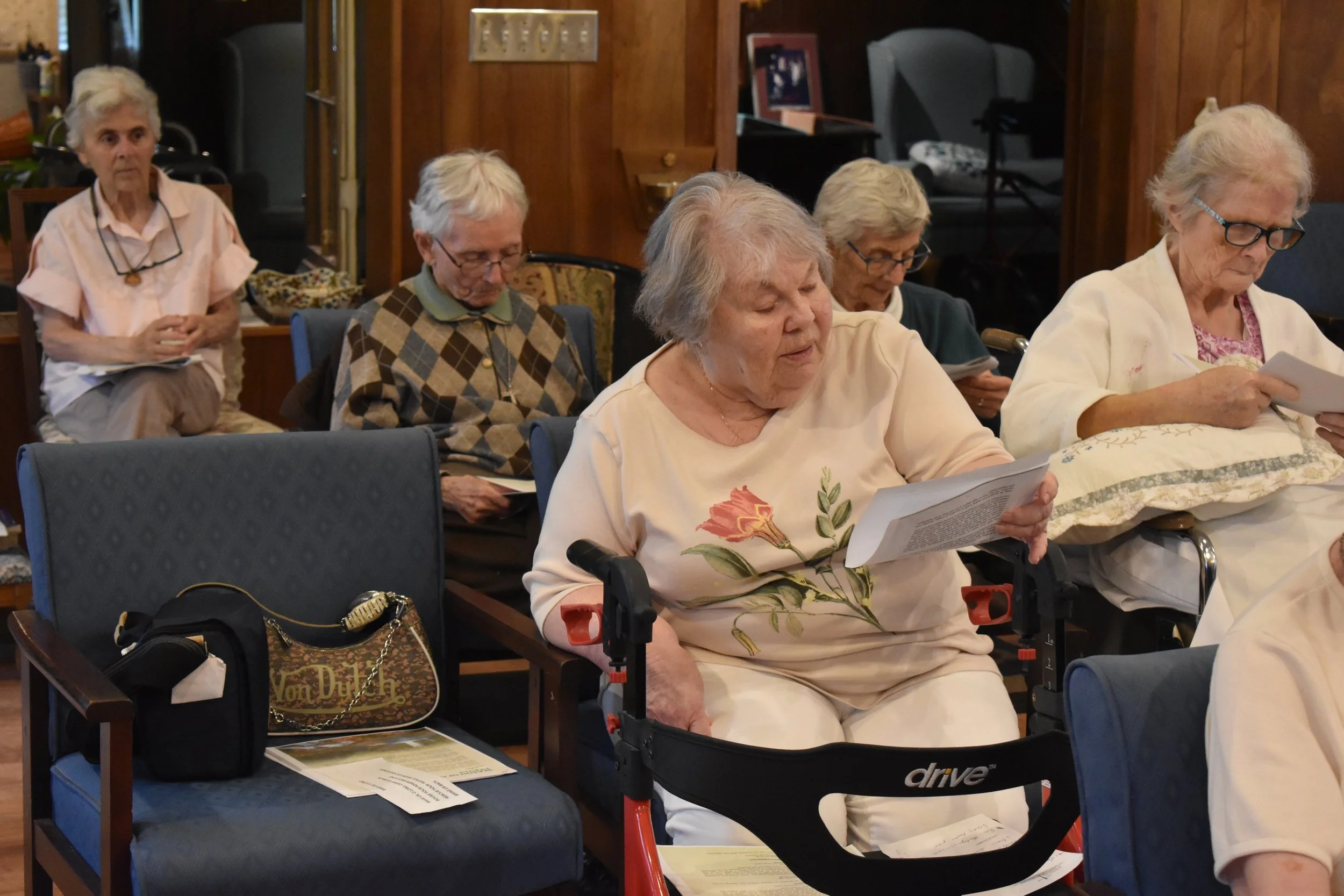
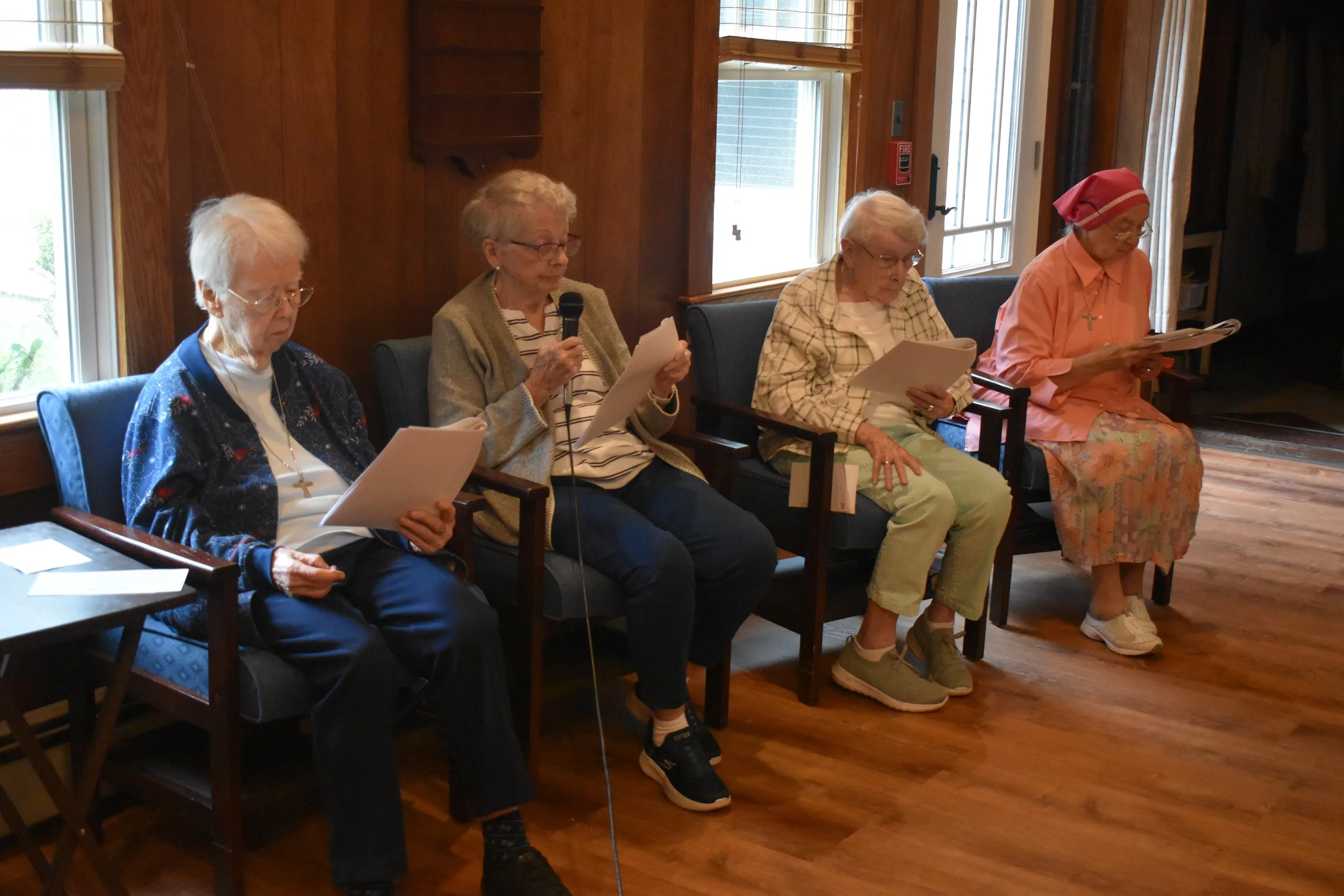
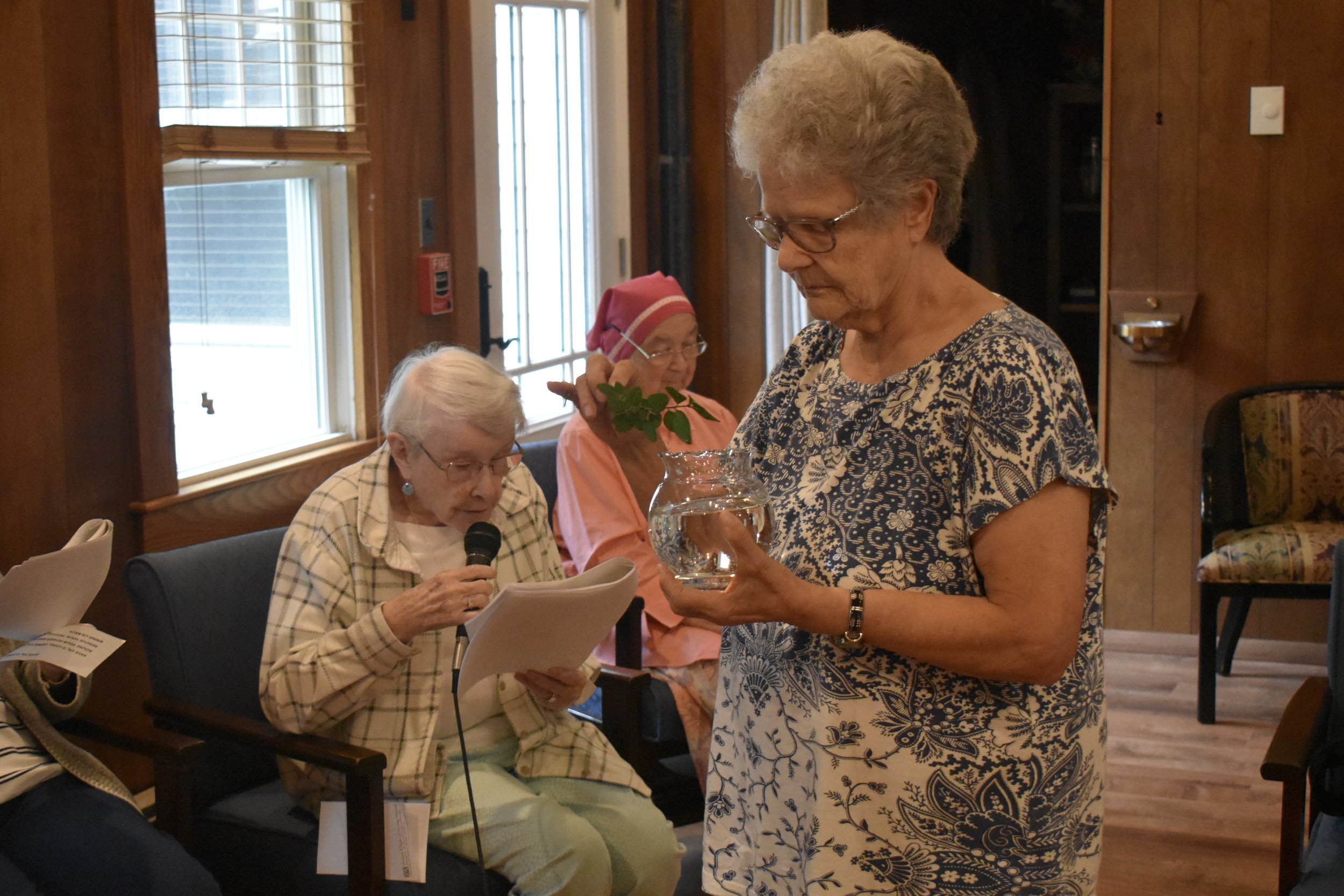
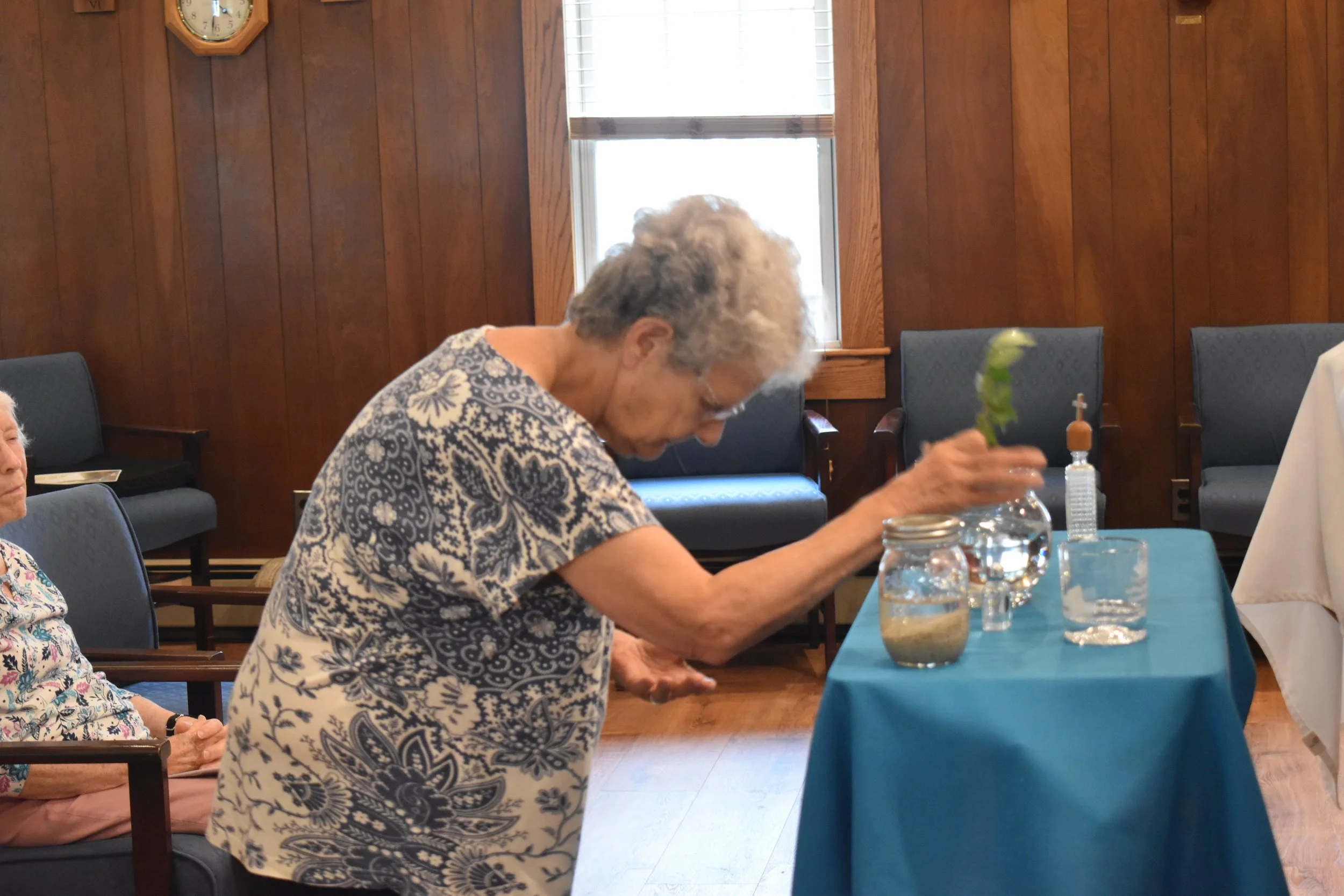
On September 1, the Sisters at Our Lady of Perpetual Help Convent held a prayer service celebrating the Season of Creation.
The annual celebration centers on praying for and protecting our common home, the environment. It begins on September 1 with the Feast of Creation and ends on October 4 with the Feast of Saint Francis of Assisi.
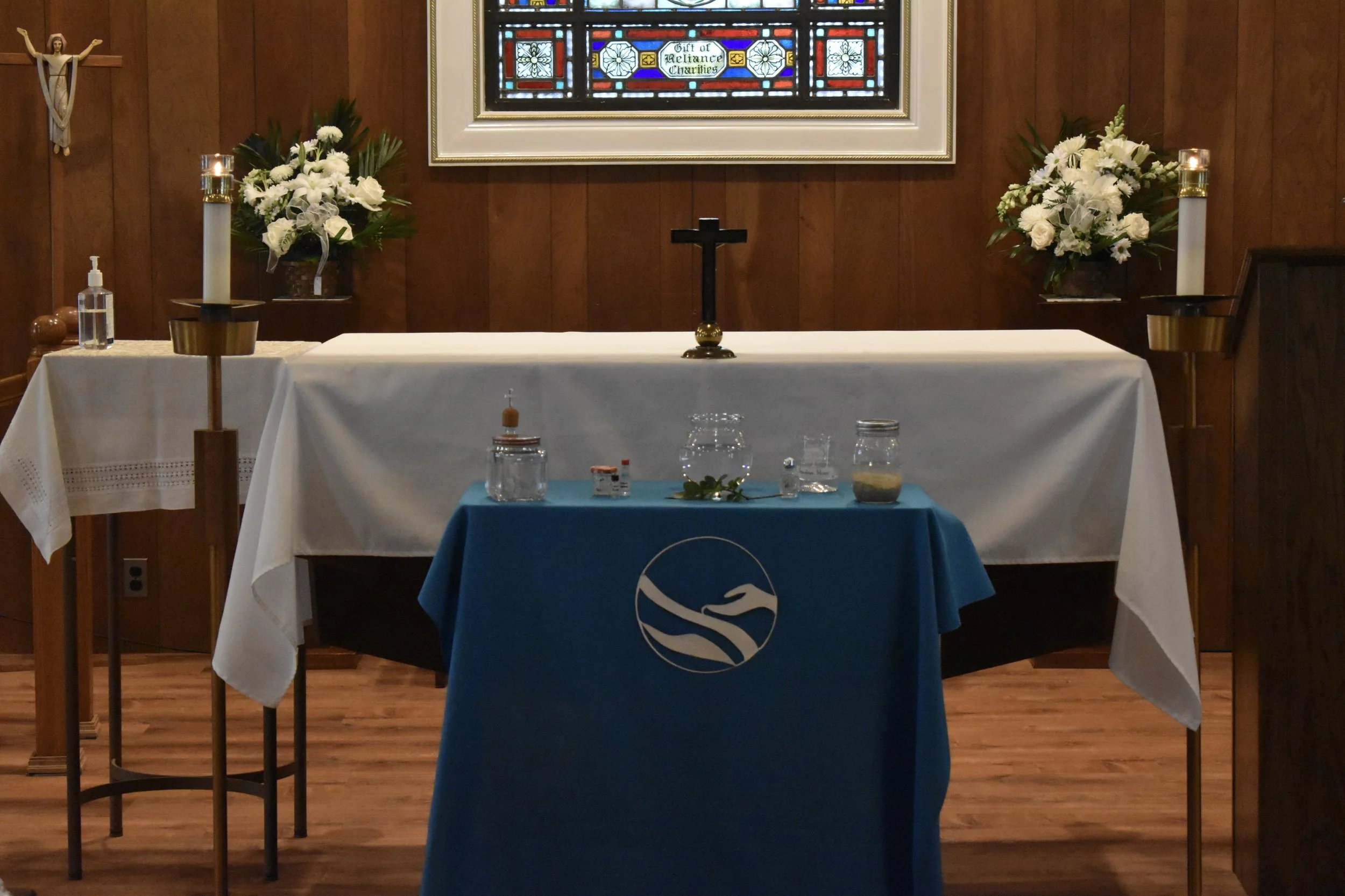
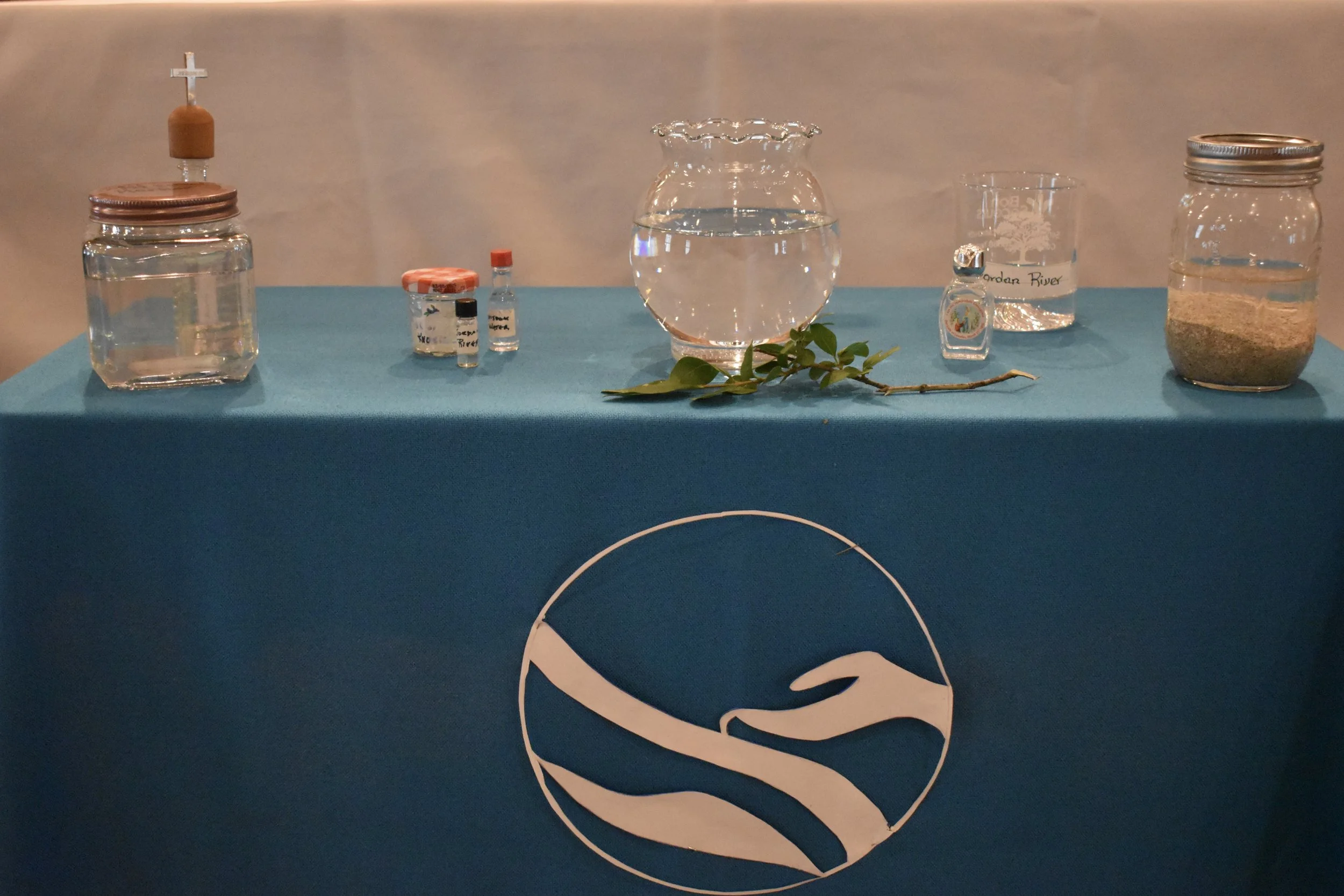
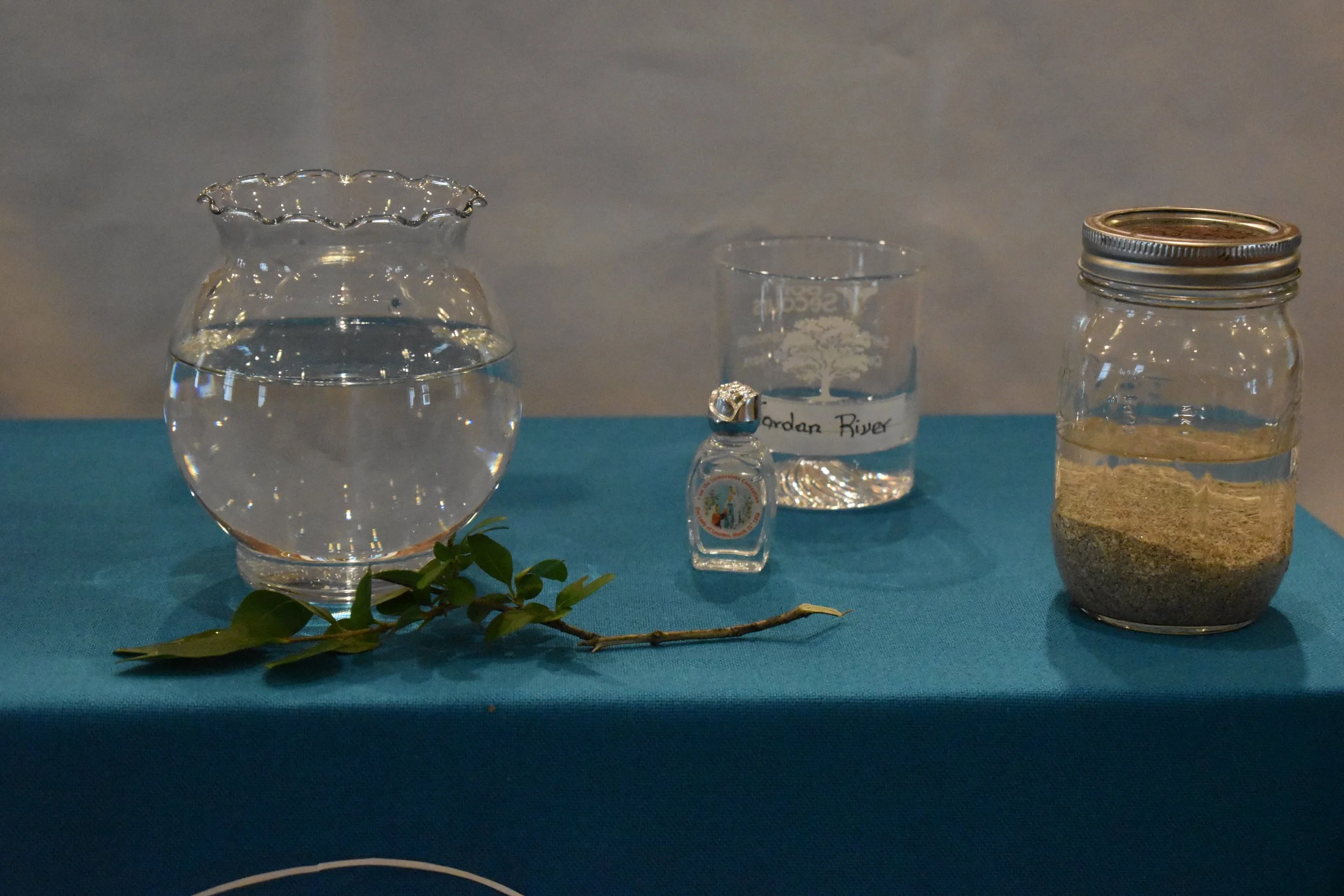
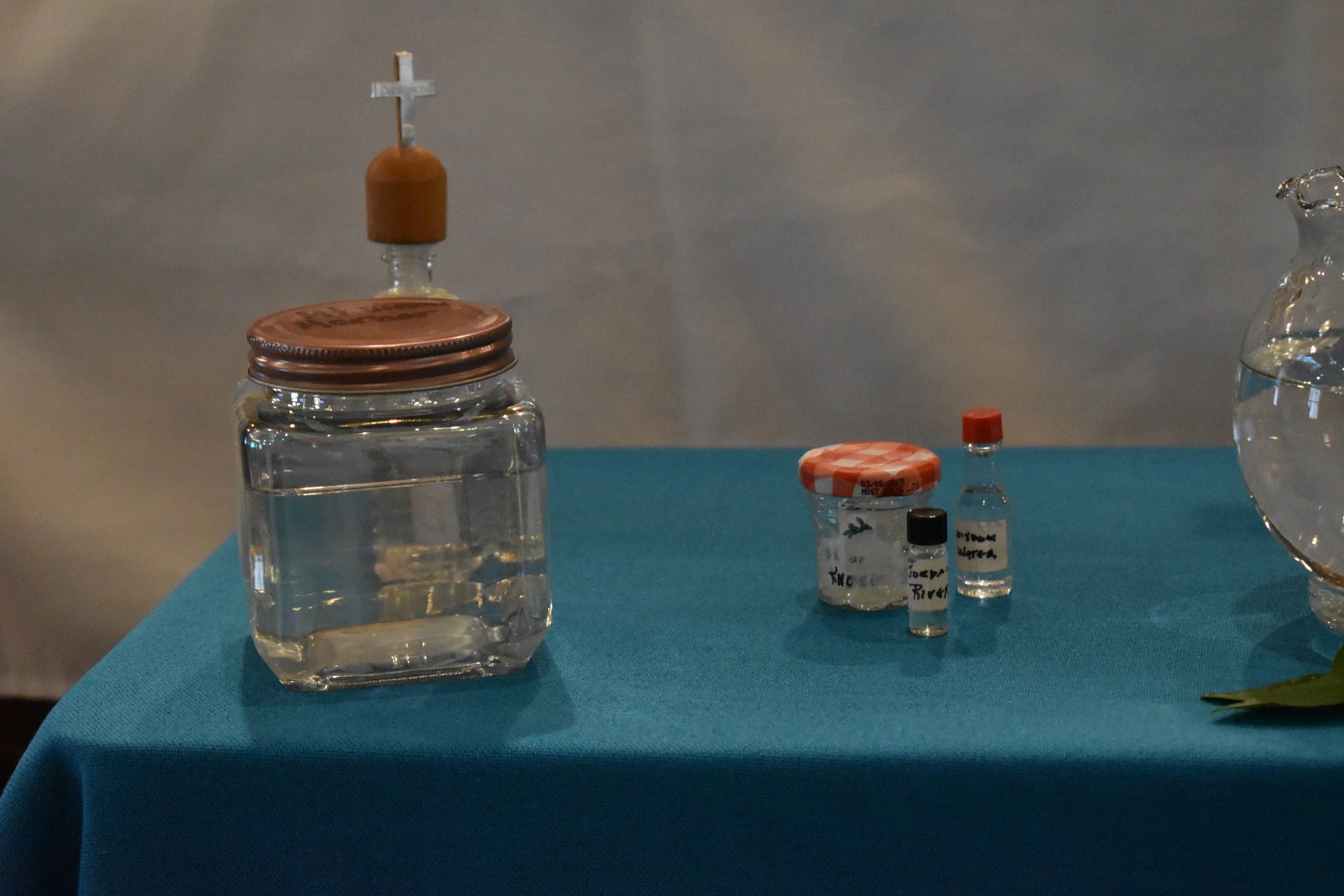
This year’s theme is “Living Water,” and OLPH honored it by collecting jars of water donated by Sisters, staff, and neighbors from different places, including the Jordan River, and using the water during the prayer service.
The idea to get water from different places stemmed from a delegation house prayer service.
Sr. Evelyn Lamoureux, who coordinated the prayer service at OLPH, said the jars of water symbolized the fact that water is something we all need.
“But the different waters were pure or impure. Actually, there was one from the Bahamas that was kind of murky,” she said. “So it was to give us an idea that everybody doesn't have access to pure water.”
The water jars also included donations from beaches on Long Island.
“People really got involved in it,” Sr. Evelyn said of the donations. “I wasn't too sure how much it would go over, [but] what happened was [that] because we as a community shared in it, it really brought us together. It was just a nice spirit.”
“I was thrilled with the fact that everyone really took it seriously because it was a choice for people to come or not, and everybody was there.”
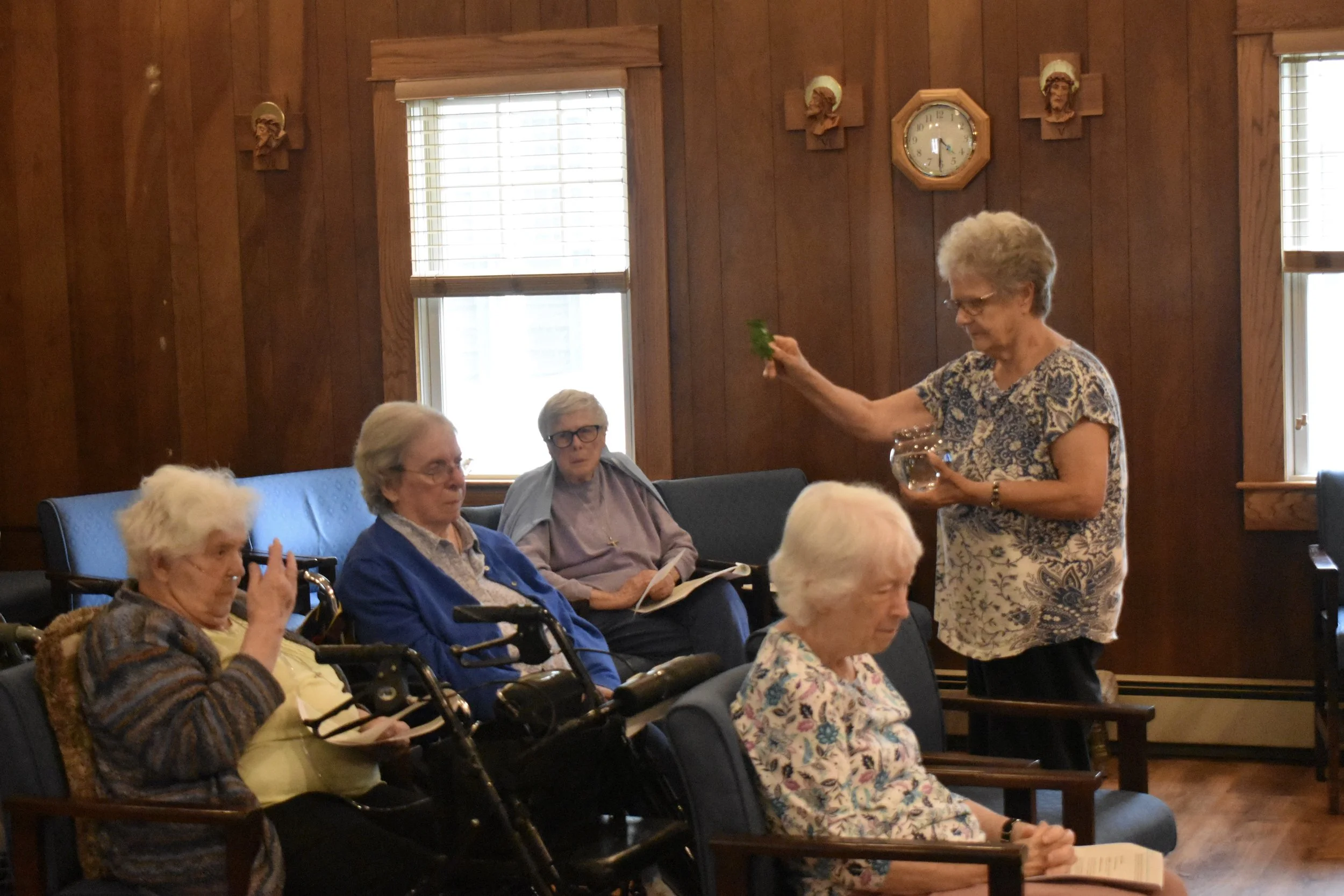
Water was incorporated into the service through a holy water blessing done by Sr. Mona Guerrette for the other Sisters.
“I was very happy to do it because I love creation,” said Sr. Mona. “It was a privilege to bless my sisters with the holy water.”
Upon being asked why the theme “Living Water” is important, Sr. Evelyn answered, “It's universal. And it's something that we all share.”
“But our waters are getting destroyed,” she continued. “And there are people who depend upon water for their livelihood. And there are other people that just take it for granted.”